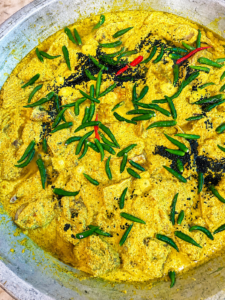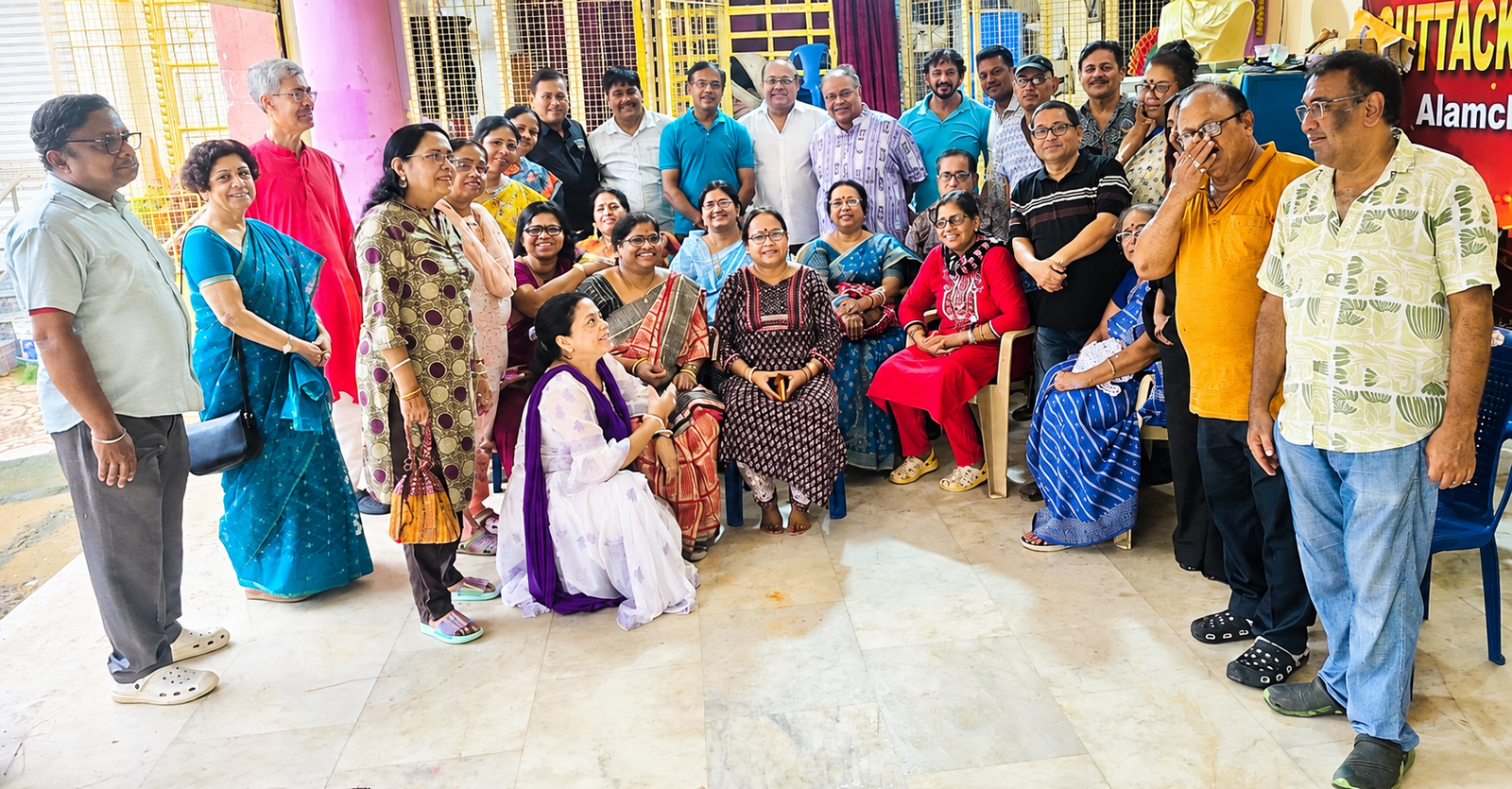

For the first time, members of the Bengali community in Cuttack came together to celebrate a shared culinary passion — Ilish Maachh — on Sunday, August 9. The festival unfolded against the backdrop of a rainy Sunday — a setting that itself felt symbolic. In Bengali households, monsoon showers often mark the season of Ilish, and the drizzle in Cuttack seemed to echo that tradition, turning the day into a living metaphor of homecoming.
The Ilish Festival was more than a celebration of Bengalis’ favourite fish, Ilish. It was an expression of a cultural bond that Bengalis carry with them wherever they live. From the aroma of freshly prepared Ilish dishes to conversations around recipes, memories and childhood meals, the gathering brought together Bengalis on Odisha over a fish that occupies a special place in Bengali cuisine.
Ilish is rarely just another kind of fish. It is nostalgia on a plate — monsoon afternoons, family kitchens, steaming rice, ilish bhaja, bhapa ilish, shorshe ilish and the familiar arguments over who gets the choicest piece. The festival brought those memories alive in Cuttack.

The gathering also reflected the growing cultural connections between Bengalis living in Odisha. Many have made the state their home, building careers, families and communities while retaining strong links with their heritage. The Ilish Festival, that was organised for the first time, offered another opportunity to celebrate that identity collectively, in an atmosphere that was warm, informal and distinctly Bengali.
Under the able supervision of some members, the traditional preparations of Ilish took centre stage, allowing participants to enjoy the familiar Ilish-aroma while also sharing their own ways of cooking the fish. Conversations naturally moved from fish to memories — of Kolkata, ancestral homes, family recipes and the unmistakable place Ilish holds in Bengali households.
What made the occasion particularly significant was that it was a first-of-its-kind community celebration in Odisha centred entirely around the love for Ilish. It demonstrated how food can bring a community together and create a sense of belonging far from one’s place of origin.
The festival was not only about savouring dishes like bhapa ilish and ilisher jhol; it was also about the artistry of cooking itself. Each preparation carried the imprint of a family’s memory — a grandmother’s spice blend, a father’s technique of steaming, a mother’s insistence on mustard oil. Sharing these stories transformed recipes into oral history, turning the table into a place where heritage was tasted as much as remembered.

The gathering was not only about nostalgia but also about transmission. Younger participants tasted, listened, and learned, discovering that Ilish is not just food but a cultural marker. In this way, the festival became a bridge between generations, ensuring that traditions are lived, not merely remembered.
By the end of the celebration, one thing was clear: Ilish needs no introduction among Bengalis. It needs no explanation either. Put a plate of steaming rice and a perfectly prepared piece of Ilish before a Bengali, and you have already started a conversation.
This first Ilish Festival in Odisha was, therefore, not merely about what was served on the table. It was about what brought everyone to the table — memory, identity, friendship and an enduring love for Ilish Maachh. By the end, the Ilish Festival stood as more than a culinary celebration. It became a mosaic of rain‑soaked memories, shared laughter, and the quiet pride of a community affirming its heritage. In Cuttack, on August 9th, Ilish was not just eaten — it was experienced, remembered, and re‑imagined. ![]()
Send your comments on this article to editor@newsdare.com.
Author
-
Sanjukta Das is an author, educator, Art of Living teacher, life coach, and social entrepreneur passionate about inspiring personal growth and positive change. Through education, storytelling, and community service, she empowers people to discover their potential and lead more meaningful lives. She is the author of two books of poetry—‘My Twirls: The Said and the Unsaid’ and ‘The Trivial and the Perfect’.