



Even as the protest by Cockroach Janata Party (CJP) raging at Jantar Mantar in New Delhi demanding Union education minister Dharmendra Pradhan’s resignation has kept the nation’s attention glued to it, another massive protest involving far more people in number has been sizzling in another part of India for nearly a fortnight but gets little attention.
In Madhya Pradesh, thousands of farmers and tribals have been protesting against the Ken-Betwa Link Project, one of India’s most ambitious river-linking projects. What began as a hunger strike against the project because of the massive displacement of villagers it entails has now turned into a broader community movement, with affected villages adopting a “kitchen shutdown” to register their opposition.
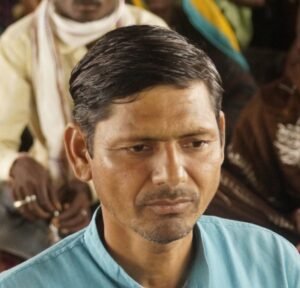
Amit Bhatnagar, a 44-year-old social activist has been on a hunger strike against the project for the past 18 days and is currently in the ICU of a government hospital. Bhatnagar, who has emerged as the most recognisable face of the campaign in Bundelkhand region, said on Thursday, July 23, that he would not end his hunger strike unless the demands of the people are met. Protesters have alleged that access to him has been restricted, but district health officials insist he is under standard ICU protocols and constant medical supervision.
The latest phase of the agitation in Madhya Pradesh comes after authorities forcefully ended the earlier ‘Chita Andolan’, a symbolic protest in which villagers gathered beside funeral pyres to convey what they described as the impending death of their ancestral villages. A police operation dispersed the demonstrators, but they regrouped and announced that cooking would stop in many households until their concerns were addressed. That is what they are doing these days as part of their ‘kitchen shutdowns’.
Also read: CJP’s Parliament march meets tear gas, lathicharge; then Modi govt dangles a talk offer.
The agitation against the Ken-Betwa project has steadily grown over the past six years. Bhatnagar, known locally as “Bhai Saab”, has worked extensively with communities across Chhatarpur and Panna districts in northern MP, arguing that development should not come at the cost of justice for those forced to surrender their homes and livelihoods. The proposed dam threatens to submerge 22 villages and displace over 7,000 families in the two neighbouring districts bordering Uttar Pradesh.
Also read: SIR in Odisha: Final voter list will be published on Sept 6; notices issued to 58 lakh voters
The protesters’ demands go beyond compensation. They allege irregularities in land acquisition, Gram Sabha proceedings and rehabilitation measures, claiming that many genuinely affected families have either been overlooked or inadequately compensated. They have also called for an independent inquiry into what they describe as serious procedural lapses. Madhya Pradesh government has rejected these allegations, maintaining that rehabilitation is being carried out strictly in accordance with the law and that no substantiated complaints have been received.
What is Ken-Betwa Link Project
Ken-Betwa Link Project, estimated to cost more than ₹44,000 crore, is India’s first river-interlinking initiative to move into implementation. It aims to transfer water from the Ken River to the water-deficit Betwa basin, bringing irrigation to more than 10 lakh hectares, supplying drinking water to millions of people across Madhya Pradesh and Uttar Pradesh, and generating hydroelectric power. Supporters describe it as a transformative intervention for the drought-prone Bundelkhand region.
Also read: Ram Mandir loot: Half the donation counting staff quit as probe progresses, new rules come
The project has become the subject of a larger debate over balancing infrastructure with environmental conservation and human rights. Thousands of families are expected to face displacement, while conservationists have repeatedly expressed concern over the impact on forests surrounding Panna Tiger Reserve. Environmental groups warn that extensive tree felling and habitat fragmentation could have long-term ecological consequences, even as authorities argue that mitigation measures have been built into the project.
For many villagers, however, the issue is deeply personal. Forests are not merely ecological assets but the foundation of everyday life, providing fuel, fodder and seasonal income. Protesters say monetary compensation alone cannot replace generations of cultural, social and economic ties to the land.
Also read: NEET UG 2026 topper Aryan Gupta’s inspiring journey: discipline, purpose and a dream to fight cancer
The agitation has raised broader questions about the way India pursues large-scale development. While few dispute the need to improve water security and irrigation in Bundelkhand, activists argue that rehabilitation must be transparent, participatory and rooted in public trust rather than administrative assurances alone.
As the hunger strike enters its third week and kitchen fires remain unlit in several affected villages, the standoff shows little sign of easing. For the government, the Ken-Betwa project represents a landmark investment in the country’s water future. For those living in its submergence zone, it has become a struggle over land, identity and the price of progress.
