



For generations, indigenous and folk-art forms lived in the quiet rhythm of villages…For generations, India’s indigenous and folk-art forms lived in the quiet rhythm of villages, passed from hand to hand, story to story. They were not created for galleries or global markets, but for rituals, festivals, and everyday life. Yet today, these traditions are finding new audiences, new platforms, and renewed relevance in a rapidly modernizing world.
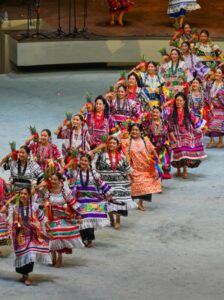
The resurgence is both cultural and economic.Art forms like Madhubani painting, Warli painting, and Pattachitra are no longer confined to their regions of origin. They are appearing on urban walls, in contemporary interiors, and across digital marketplaces. What was once local is now global—without losing its rooted identity.
At the heart of this revival are the artisans themselves.For many, art is not a profession but an inheritance. Techniques are learned through observation, repetition, and memory rather than formal training. However, for years, these artisans struggled with limited market access, inconsistent income, and the risk of their crafts fading into obscurity. The shift toward a wider audience is not just about visibility—it is about survival.
Contemporary platforms are playing a transformative role. E-commerce marketplaces, social media, and digital storytelling have enabled artisans to connect directly with buyers, bypassing traditional intermediaries. Platforms like Etsy and Amazon have created global storefronts for handmade products, while Instagram has become a virtual gallery where artists can showcase their work to a worldwide audience.
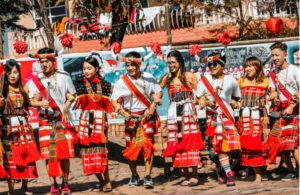
Designers and entrepreneurs are also bridging the gap between tradition and modernity. By integrating folk motifs into fashion, home décor, and lifestyle products, they are making these art forms more accessible to contemporary consumers. This fusion does more than modernize, it extends the life of tradition by allowing it to evolve.
Government and institutional support have further strengthened this ecosystem. Initiatives under Ministry of Textiles and craft-focused programs are promoting skill development, fair trade practices, and global exposure for artisans. Exhibitions, fairs, and cultural festivals are also helping bring traditional art into mainstream conversations.
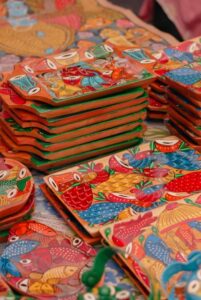
Yet, the revival is not without its challenges.
One of the most pressing concerns is authenticity. As demand grows, so does the risk of mass production and imitation. Machine-made replicas often flood markets, undercutting the value of handmade work and diluting its cultural significance. For artisans, maintaining authenticity while scaling production is a delicate balance.
There is also the question of preservation versus evolution. How much can a traditional art form change before it loses its essence? While adaptation is necessary for survival, it must be done with sensitivity to the cultural narratives embedded within the art.
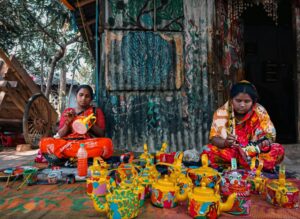
Despite these tensions, the resurgence of indigenous and folk art reflects a deeper shift in consumer consciousness. There is a growing appreciation for craftsmanship, sustainability, and cultural heritage, values that mass-produced goods often lack.
In many ways, this revival is not just about art. It is about identity. It is about reclaiming stories, honouring traditions, and ensuring that the voices of artisans continue to be heard in a rapidly changing world. Because when tradition finds a modern audience, it does more than survive. It thrives, carrying the past forward into the future.