


Art has never been merely decorative. At its most powerful, it unsettles, provokes, and speaks where words fail. Across time and geography, artists have turned their work into acts of resistance, challenging injustice, amplifying silenced voices, and reshaping public consciousness. Today, in an age of global crises and digital immediacy, art as activism is not just relevant, it is urgent.
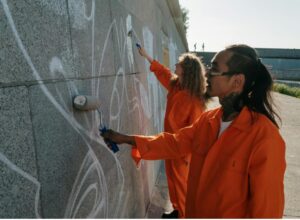 From murals on city walls to performances in public squares, creativity has become a language of dissent. Street artists like Banksy have redefined how political commentary reaches the masses, anonymous yet unmistakable, ironic yet piercing. His works often appear overnight, transforming ordinary spaces into sites of confrontation, forcing viewers to engage with issues such as war, surveillance, and inequality.
In another context, the haunting imagery of Guernica by Pablo Picasso stands as a timeless reminder of art’s power to document and protest violence. Though created decades ago, its emotional intensity continues to resonate in conversations around conflict and human suffering.
Today’s artists are extending this legacy into contemporary struggles. Climate change, for instance, has inspired installations that make the 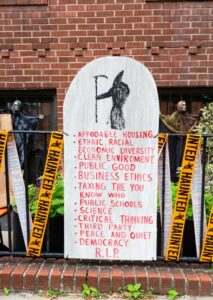 invisible visible—melting ice sculptures, immersive exhibits, and data-driven visuals that translate scientific urgency into emotional experience. By turning abstract statistics into tangible forms, artists are bridging the gap between awareness and empathy.
Gender equality and identity politics have also found strong expression through art. Artists are using photography, film, and digital media to question norms, challenge stereotypes, and reclaim narratives. In India, creators like Nalini Malani have explored themes of gender, violence, and mythology, weaving personal and political histories into layered visual storytelling.
The rise of digital platforms has amplified the reach of activist art. Social media allows works to circulate instantly, crossing borders and sparking global conversations. A single illustration or performance can now mobilize communities, influence public opinion, and even shape policy discourse. Art is no longer confined to galleries, it lives in feeds, hashtags, and shared moments of collective reflection.
Yet, this visibility comes with its own tensions.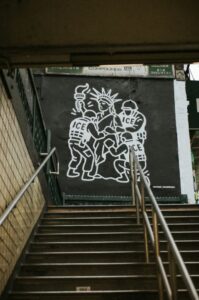
As activism gains attention, questions arise about authenticity and intent. Is all politically themed art genuinely driven by conviction, or does some of it risk becoming performative? In a world where visibility often translates to value, the line between expression and commodification can blur.
There is also the question of impact. Can art truly create change, or does it merely reflect it? The answer lies not in immediate outcomes, but in influence. Art does not legislate or govern, but it shapes how people think, feel, and respond. It humanizes issues that might otherwise remain distant or abstract.
Ultimately, art as activism is not about providing solutions. It is about asking difficult questions, challenging comfort, and refusing silence.
In a time when information is abundant, but attention is fleeting, art has the ability to pause us—to make us look again, feel deeper, and think differently. Because when creativity becomes a voice for change, it does more than express. It transforms.