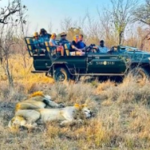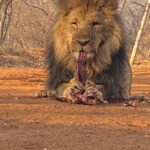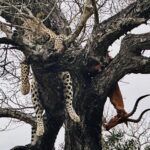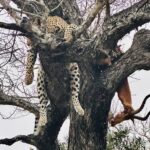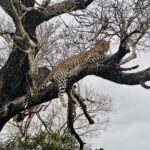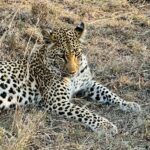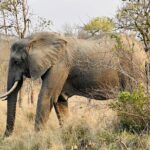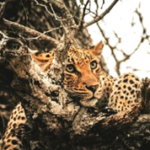



Elephants move through the bush like slow, gray bulldozers with family values. A herd crossing the road will stop traffic better than any police officer. Lions are the celebrities of Kruger – majestic, dramatic, and mostly asleep. Leopards are the mysterious jazz musicians of the bush: rarely seen, impossibly cool, usually appearing just long enough for someone in the back seat to say, “Where? I don’t see it.”
Travelling to Kruger National Park in South Africa is not just a vacation. It is nature’s version of a blockbuster movie, except the lions don’t hit their marks, the elephants don’t care about your itinerary, and the warthogs somehow steal every scene.
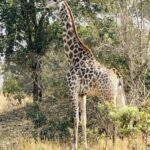
Then there are the supporting stars. Giraffes float across the savanna like long-necked supermodels. Zebras look like nature got bold with the graphic design. Hippos appear cute until you learn they are basically river tanks with attitude. Warthogs trot around with their tails up like they have urgent appointments. Hyenas bring the villain-laugh energy. Cheetahs are the sleek sports cars. African wild dogs are rarer and thrilling to spot—Kruger is one of the places where lucky visitors may see them.
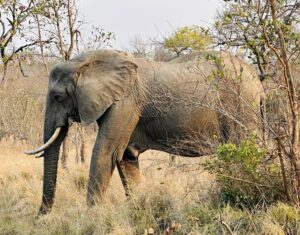
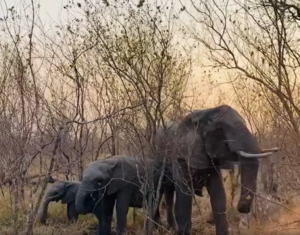
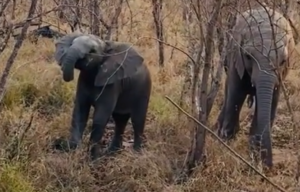
Kruger is one of Africa’s great safari destinations, with about 148 mammal species in the park, including the classic: elephant, lion, leopard, rhino, buffalo, hippo, giraffe, zebra, warthog, hyena, cheetah, wild dog, and many antelope species.
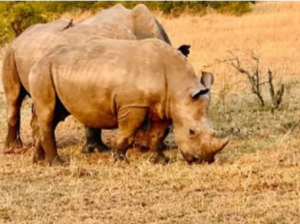
The big headline, of course, is the Big Five: lion, leopard, elephant, rhino, and buffalo. They were originally grouped together because they were considered dangerous to hunt on foot, but today the only thing most visitors are shoot is 700 blurry photos through a dusty vehicle window.
And don’t ignore the birds. Kruger has a whole aerial cast: eagles, hornbills, storks, kingfishers, rollers, vultures, and dramatic-looking birds that seem personally offended you don’t know their names. Reptiles also make appearances, including crocodiles making their best impression of floating logs with consequences.
The magic of Kruger is that every drive starts with hope and a little caffeine. One minute you are admiring impalas—Kruger’s unofficial “default setting”—and the next minute someone whispers, “Leopard,” and the entire vehicle becomes a military operation. Binoculars go up. Cameras click. Nobody breathes. Even the uncle who said he “doesn’t care about animals” suddenly becomes David Attenborough.
Best safari mindset: Don’t treat Kruger like a checklist. Treat it like a treasure hunt. The animals are wild, not scheduled performers. Some days give you lions at sunrise. Some days give you 47 impalas, one sleepy buffalo, and a bird with excellent hair. That is still Kruger doing Kruger.
Exotic Food Adventures: From Ostrich Eggs to Safari Snacks.Come for the lions, stay for the ostrich egg omelet big enough to require its own zip code. Kruger is not only about spotting animals; it is also about tasting the region. For breakfast try an ostrich egg — roughly equal to about 20–24 chicken. Usually, it is cooked as a giant omelet or scrambled egg and shared by a group. It tastes similar to chicken egg, but richer and slightly more buttery.
Other fun South African safari-area foods to try Biltong: South Africa’s famous dried, cured meat snack. Boerewors – A traditional spiced sausage, often grilled at a braai, excellent with chutney, or roasted vegetables. Pap and Chakalaka Pap- A maize porridge, often served with spicy vegetable relish called chakalaka. Simple, hearty, and very local. Venison/Game Meat – Depending on where you eat, you may see kudu, springbok, impala, or ostrich meat on menus. Ostrich steak is lean, tender, and surprisingly closer to beef than poultry. Malva Pudding – A warm, sticky South African dessert served with custard or cream. After a day of safari dust and animal sightings, this is not dessert—it is emotional support. Amarula Cream – A sweet cream liqueur made from the marula fruit, which elephants famously love when the fruit falls from trees.
After a day of chasing lion sightings, photographing giraffes, and pretending you totally saw the leopard before everyone else pointed it out, the evening brings a different kind of magic: music, dancing, and firelit storytelling.
Many safari lodges and hotels around Kruger offer evening cultural entertainment, often featuring traditional South African dance, drumming, singing, and local storytelling. The performances can vary by lodge, but the mood is usually the same: warm lights, open-air dining, a crackling fire, and dancers bringing the night alive with energy that makes your step counter feel lazy.See dances inspired by local traditions from communities such as the Tsonga, Shangaan, Zulu, or other regional groups, with powerful footwork, call-and-response singing, colorful clothing, and drum rhythms that seem to wake up the stars. It is not just a “show”—at its best, it feels like a celebration of place, people, and heritage. And then comes the dangerous part: audience participation.
What makes evenings special: Drumming under the African sky, traditional singing and storytelling, firepit or boma-style dinners, local dance performances, a relaxed, festive lodge atmosphere and the chance to clap, sway, and possibly embarrass yourself beautifully .
Did you know?
1. Kruger is almost the size of a small country? Kruger National Park is huge—about the size of Israel or Wales—so a “quick drive” can easily become a full safari adventure with snacks, binoculars, and at least one debate about whether that distant rock is a rhino.
2. Elephants can communicate through vibrations? Elephants don’t just trumpet. They also use deep, low-frequency sounds that can travel long distances through the ground. Basically, they had group chat before we did.
3. Ostrich eggs are giant breakfast legends? One ostrich egg can equal roughly two dozen chicken eggs. So if someone says, “Let’s make an omelet,” check whether they mean breakfast—or a construction project.