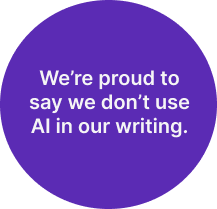


The rise of artificial intelligence has sparked a quiet storm across creative industries. Writers, designers, musicians, and filmmakers are asking a question that feels both urgent and personal: is AI here to collaborate or to compete?
The anxiety is understandable. AI tools today can generate text, compose music, design graphics, and even create videos in seconds. What once took hours, or days, can now be done with a prompt. For many creatives, this feels less like innovation and more like intrusion.
But the reality is more nuanced. AI is not entering a vacuum; it is entering an ecosystem built on human imagination, emotion, and cultural context. What it offers is speed, scale, and experimentation, not lived experience. This distinction is crucial.
 For many creators, AI is already becoming a collaborator. Designers are using AI to generate multiple visual concepts in minutes, allowing them to refine ideas faster. Writers are using AI for brainstorming, structuring, or overcoming creative blocks. Musicians are experimenting with AI-generated sounds to expand their sonic palette. In this sense, AI is not replacing creativity, it is augmenting it.
Companies like Adobe are integrating AI into their creative suites, enabling features like automated editing and generative design. Similarly, platforms such as OpenAI are building tools that assist rather than replace creative workflows. The goal, at least in theory, is to enhance human creativity, not overshadow it.
Yet, the tension remains. One of the biggest concerns is originality. AI models are trained on vast datasets that often include existing creative work. This raises questions about ownership, attribution, and intellectual property. When an AI generates a piece of art or writing, who does it belong to? And what does it mean for the original creators whose work may have influenced it?
There is also the issue of value. If content can be generated instantly and at scale, does it risk becoming commodified? For industries already grappling with monetization challenges, the influx of AI-generated content could intensify competition and drive down perceived value.
At the same time, AI is lowering barriers to entry. Individuals without formal training can now create content that looks and feels professional. This democratization is powerful—it allows more voices to participate in creative expression. But it also creates a more crowded landscape, where standing out becomes harder.
The future of creative industries will likely not be defined by a battle between humans and machines, but by how effectively they work together. Human creativity brings depth, meaning, and emotional resonance. AI brings efficiency, scalability, and new possibilities. The intersection of the two is where innovation will thrive. For creators, the challenge is not to resist AI, but to redefine their role alongside it. Skills like storytelling, conceptual thinking, and emotional intelligence will become even more valuable, because these are areas where human creativity still leads.
So, is it collaboration or competition? It is both, but collaboration is where the real opportunity lies. In the end, AI can generate content. But it is humans who give it meaning.