



In a world where cities continue to grow upward instead of outward, gardens have quietly shrunk into balconies, window ledges, and living rooms. Yet, even within these limited spaces, humanity’s desire to remain connected with nature refuses to fade. Among the many expressions of this longing, few are as captivating as the bonsai.
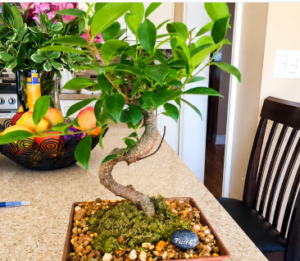
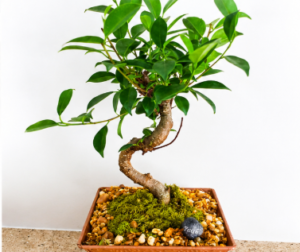
A bonsai is often mistaken for a miniature plant. In reality, it is a full-sized tree in miniature form, patiently shaped over years through careful pruning, wiring, watering, and nurturing. It is not merely a decorative object but a living work of art that reflects patience, discipline, and harmony between humans and nature.
An Ancient Art Rooted in History
Although bonsai is widely associated with Japan, its origins trace back more than a thousand years to ancient China. The early practice, known as Penjing, involved creating artistic landscapes with miniature trees and rocks, symbolising nature in its most poetic form.
Also read: Street style or silent conformity? Rethinking fashion in Indian cities
Centuries later, Buddhist monks introduced the art to Japan, where it evolved into what we now know as bonsai. Japanese masters refined the practice, placing greater emphasis on simplicity, balance, proportion, and the quiet beauty of imperfection—a philosophy deeply influenced by Zen Buddhism.
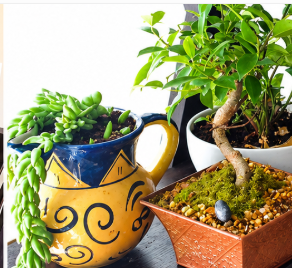
Over generations, bonsai became more than horticulture. It became an art form requiring years, sometimes decades, of dedication. Many bonsai trees are lovingly passed down from one generation to another, becoming treasured family heirlooms.
More Than a Hobby
Unlike ordinary potted plants, bonsais demand a relationship.Each tree grows differently. Every branch tells a story shaped by careful choices. The caretaker must learn when to prune, when to water, when to repot, and, perhaps most importantly, when to simply let the tree grow.
Also read: True Love Stories: Again after twenty years in Bhubaneswar
This slow rhythm is exactly what attracts many people today. In an age dominated by instant gratification, bonsai teaches that beauty cannot be rushed.
Why Bonsais Are Flourishing in Apartment Culture
Modern apartment living has transformed the way people experience greenery. Expansive gardens have become a luxury, particularly in rapidly growing cities where space comes at a premium.
Yet the desire to nurture plants has only grown stronger. Bonsais fit naturally into contemporary homes. A single tree occupies little space while bringing remarkable visual impact to balconies, study corners, office desks, or living rooms. They allow residents to cultivate a meaningful connection with nature without requiring a backyard.
Also read: Ask Career Guru: Tell me about email etiquette, stressing the distinction from WhatsApp texting
As apartment complexes become the norm across urban India, bonsais have emerged as both décor and lifestyle statements. Interior designers increasingly incorporate bonsais into minimalist homes, while homeowners appreciate how these living sculptures add warmth without cluttering compact spaces.
The Wellness Connection
The popularity of bonsais today extends beyond aesthetics.
Gardening has long been recognised as a calming activity, and bonsai care takes mindfulness a step further. Trimming a branch, inspecting new leaves, or watering a tree encourages slow, focused attention. Many enthusiasts describe the experience as meditative.
In a world filled with notifications, deadlines, and digital fatigue, spending even fifteen quiet minutes caring for a bonsai offers a welcome pause.Perhaps this explains why younger professionals, retirees, and even students are embracing the practice with equal enthusiasm.
A Growing Community
Social media has also played a significant role in the bonsai revival. Across platforms, thousands of enthusiasts proudly document the growth of their trees, exchange pruning techniques, and celebrate years of patient progress. Workshops, exhibitions, and bonsai clubs are witnessing renewed interest as more people discover that cultivating a bonsai is less about gardening and more about developing patience.
Also read: Beyond the Gold Rush: What Jonnagiri Means for Local Communities and India’s Economy
Specialist nurseries now offer beginner-friendly species, making the art far more accessible than it once was.
Choosing the Right Bonsai
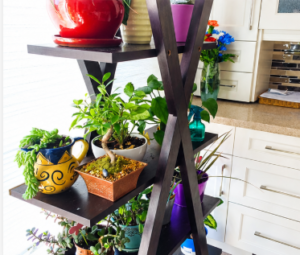
For beginners, species such as Ficus, Jade, Juniper, and Chinese Elm are often recommended because they adapt well to varying conditions and are relatively forgiving.
Also read: Rath Yatra in Puri: Odisha govt steps up safety efforts to avert mishaps
Experts advise prospective owners to understand that bonsais are living trees—not decorative ornaments. They require sunlight, watering, seasonal care, and regular attention. With proper care, however, a bonsai can live for decades and, in some cases, even centuries.
A Living Lesson in Patience
Perhaps the greatest appeal of a bonsai lies not in its appearance but in the values it quietly teaches. It reminds us that growth is gradual. That strength often develops unseen beneath the surface. That beauty comes through care, consistency, and time.
In an era where everything moves faster than ever before, the bonsai stands still, inviting us to do the same. Sometimes, the smallest tree carries the biggest lesson: that life’s greatest achievements are rarely hurried, but patiently cultivated one day at a time.