



Bangkok and Pattaya reveal themselves in layers. By day, Bangkok glows with temples and markets, while Pattaya hums with beaches and restless tourism. But as night settles over Bangkok and Pattaya, another world quietly takes shape, one that many visitors notice, even if they don’t fully understand it.



 During my recent trip through Bangkok and Pattaya, I found myself drawn to this contrast. Outside hotel lobbies and along brightly lit streets, there were young women, poised, composed, almost statuesque in their stillness. In both Bangkok and Pattaya, they stood with a quiet expectancy. There was no urgency, no dramatic calling out, just a lingering gaze, a silent hope of being chosen.
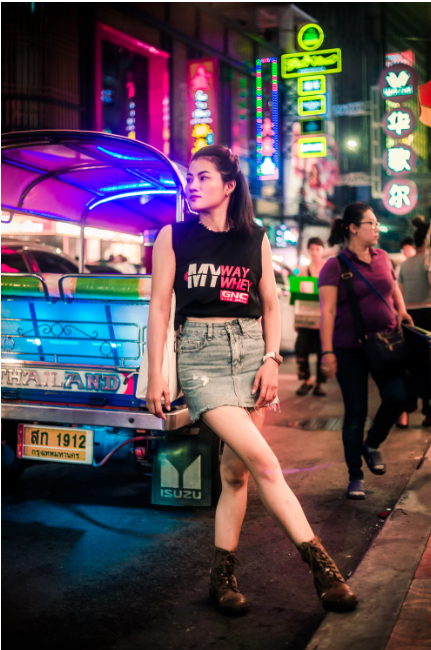
It wasn’t shocking in the way people often sensationalize Bangkok and Pattaya. It felt more layered, more human. These were not just fleeting figures in the nightlife of Bangkok and Pattaya; they were individuals shaped by circumstances, carrying stories that remain largely unseen. Beneath the polished appearances, there was a blend of resilience and vulnerability that stayed with me.






To understand this side of Bangkok and Pattaya, one has to look back. The transformation began during the Vietnam War, when Thailand became a rest-and-recreation destination for foreign soldiers. Pattaya, once a quiet fishing village, evolved rapidly. Bangkok, already a growing metropolis, expanded its entertainment districts. What began as a response to temporary demand slowly embedded itself into the identities of both Bangkok and Pattaya.
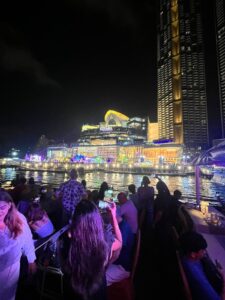
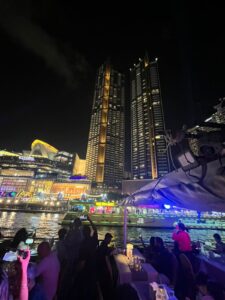


In the decades that followed, Bangkok and Pattaya leaned into tourism as an economic engine. Nightlife, broad, varied, and often misunderstood, became part of their global image. At the same time, economic disparities and migration from rural areas added another layer to the story of Bangkok and Pattaya, shaping who participates in these spaces and why.
What struck me most in Bangkok and Pattaya was how normalized it all felt. Every visitor seems aware of this aspect of Bangkok and Pattaya. It exists openly, almost woven into their nocturnal identity. Yet witnessing it firsthand in Bangkok and Pattaya is different from simply knowing about it. It raises quiet, persistent questions, about choice, about survival, about the blurred lines between agency and necessity.
Bangkok and Pattaya at night are not just about neon lights, music, or crowded streets. They carry an undercurrent, a reminder that even the most vibrant cities hold stories that are less visible, yet deeply human.
And perhaps, while moving through this part of Thailand, the least we can do is pause. To observe not with judgment, but with empathy. To recognize that behind every passing moment in these touristic destinations, there is a life far more complex than it appears.