




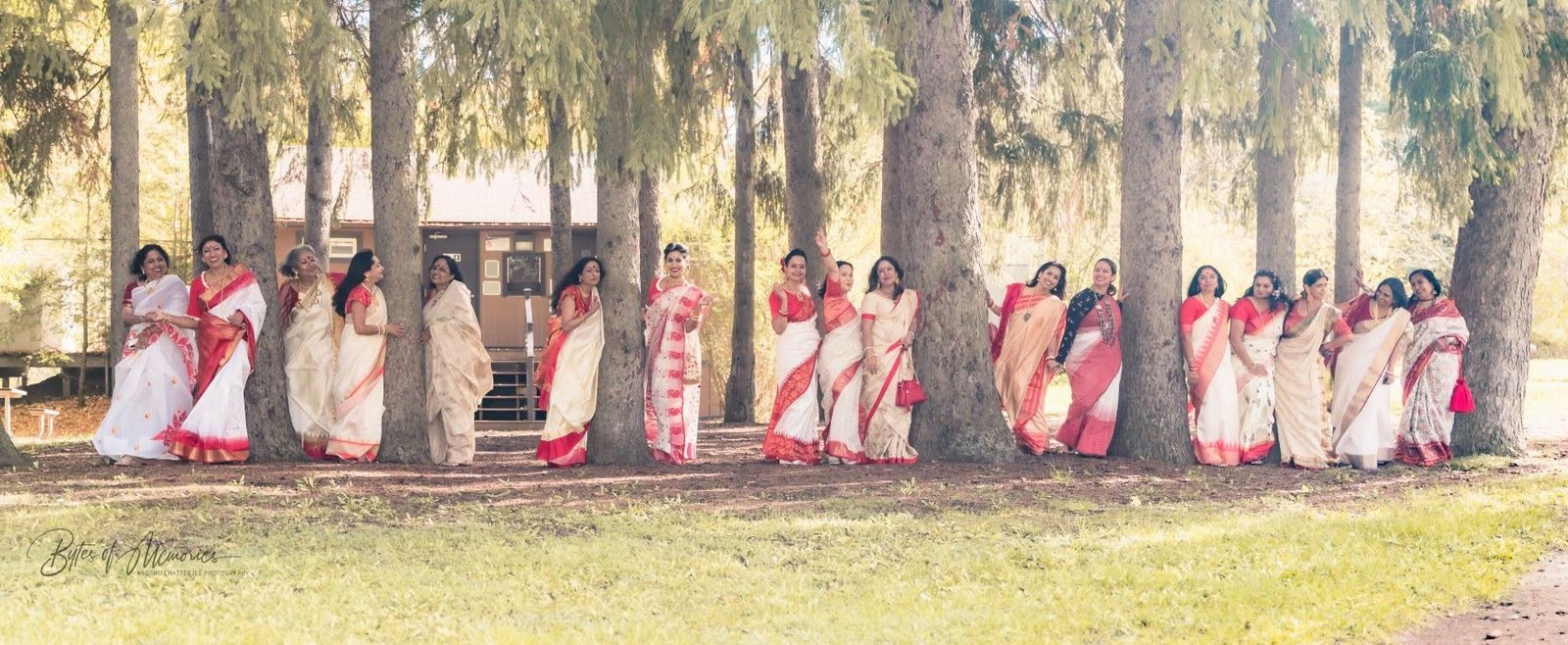
Which woman who has ever worn a good handloom saree forget the feeling of high self-worth she has at the time, and also a feeling that connects her skin with her soul? There is something to handloom sarees that makes a woman more aware of herself. On National Handloom Day (August 7), it has been almost a duty for me to remember the fabric and to do something special—either by wearing a handloom saree or writing a handful of words about them—to memorialise the feeling of the fashionable fabric.
This day is celebrated across India every year with myriad images of elegant sarees gracing social media feeds and cultural showcases. While handloom sarees are undeniably iconic, reducing handloom to this single garment overlooks the vast universe of creativity, heritage, and sustainability that handloom truly represents. Handloom is not just about fabric—it is about a way of life.
Handloom as sustainable living means choosing textiles that are inherently eco-friendly. Woven on traditional looms, they consume minimal energy, often relying on human skill rather than machines. Opting for handloom products—whether clothing, upholstery, or home décor—becomes a conscious step toward sustainability, reducing dependence on mass-produced, synthetic alternatives.
Even as I am more of a wearer of handloom sarees, I am aware that handloom in everyday spaces is where its true versatility shines. Curtains, cushion covers, rugs, and wall hangings carry the warmth of artisanal craft. Bags, scarves, stoles, and even footwear blend tradition with modern design. Upholstery fabrics add texture and character to living spaces. Integrating handloom into homes and lifestyles makes heritage a part of daily living, not just festive occasions.
In fact, fashion beyond sarees is redefining how we see handloom today. Designers are reimagining it into dresses, jackets, trousers, shirts, and even athleisure wear. Young professionals are embracing handloom as office wear, while global fashion houses showcase Indian weaves on international runways. The saree may be the face of handloom, but the body of it is much larger—adaptable, contemporary, and inclusive.
Also read: 34 stabs in 40 seconds: Faridabad woman teacher’s murder on school premises raises many questions
Handloom as a cultural bridge that connects us to India’s diverse traditions. Each weave—be it Ikat from Odisha, Pochampally from Telangana, or Kanchipuram from Tamil Nadu—tells a story of its region, its people, and its history. By adopting handloom in everyday life, we carry these stories forward, ensuring they remain relevant in a rapidly modernising world, when we keep using handloom products in our daily lives.
The spirit of National Handloom Day should not only remind us of the beauty of sarees but also inspire us to embrace handloom as a lifestyle choice. It is about valuing craftsmanship, supporting artisans, and weaving sustainability into our daily lives. Handloom is heritage, but it is also the future—if we choose to make it part of how we live, not just what we wear. 
Send your comments on this article to editor@newsdare.com.
